Path three
Samurai
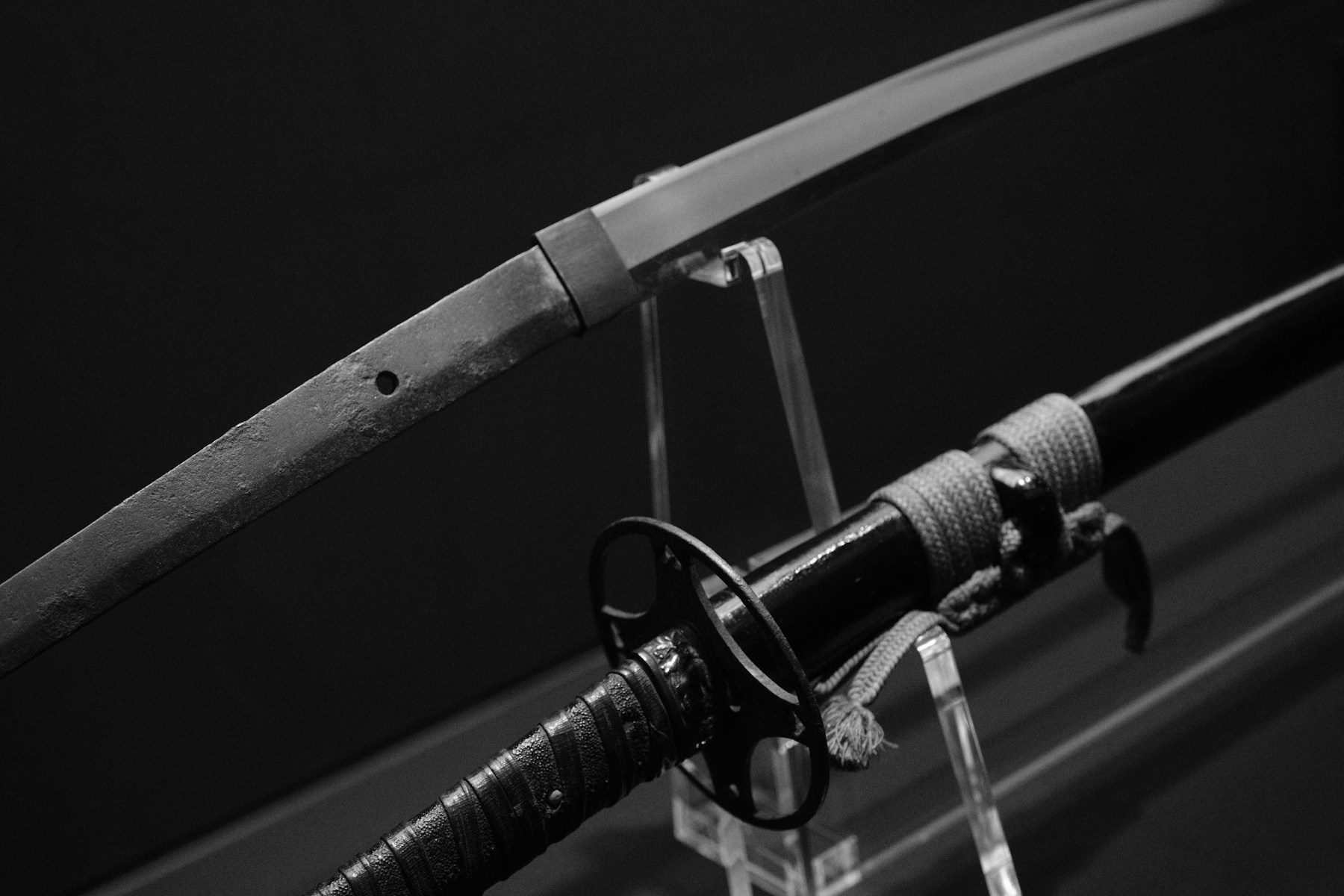
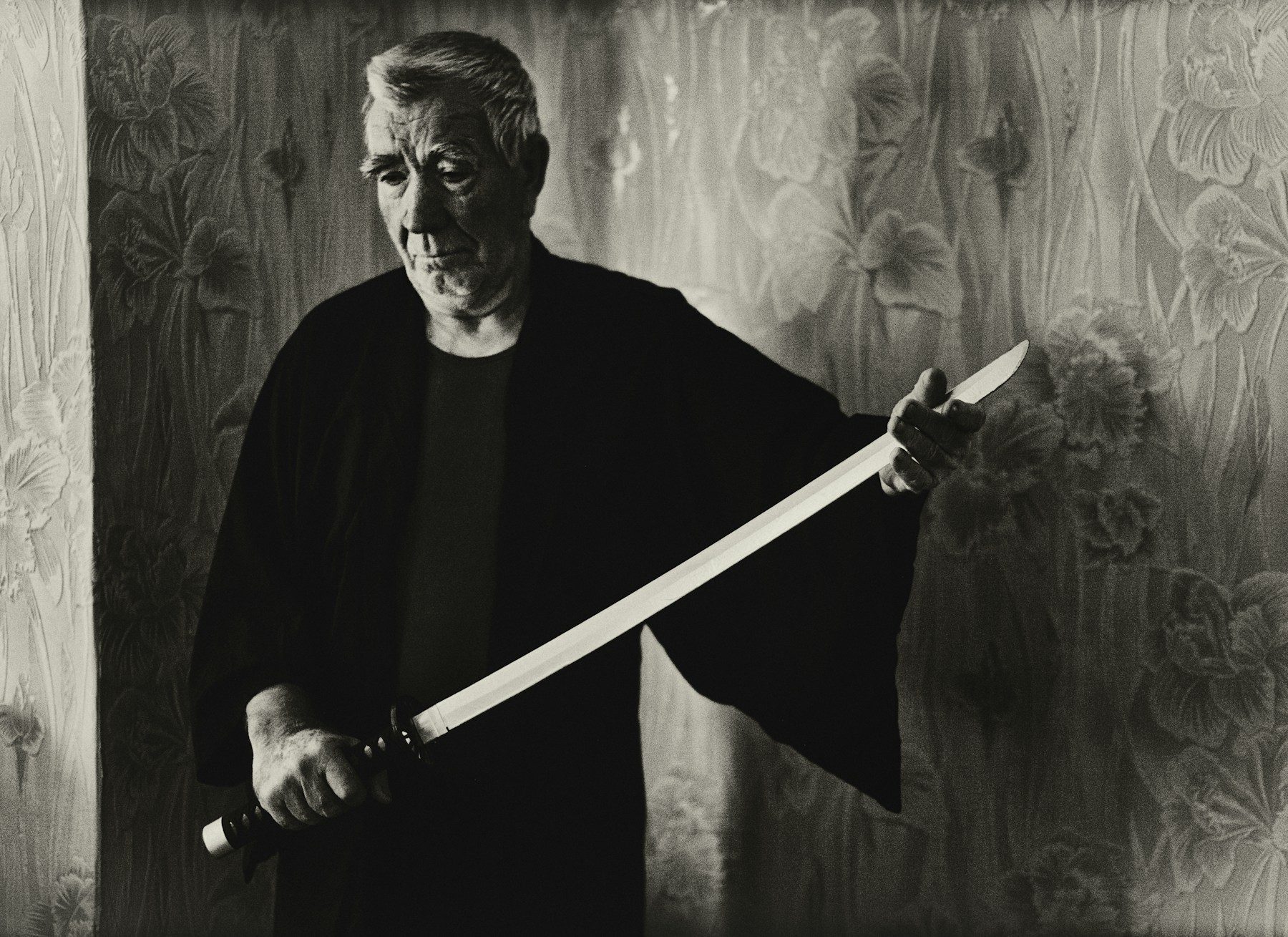
Nihonto, the Japanese sword, and the long patience behind it: smith, polisher and fittings maker.
- Steel
- Tamahagane
- Line
- The hamon
- Polish
- By a togishi
- Mount
- Koshirae
The steel
Traditional Japanese swords are forged from tamahagane, steel smelted from iron sand in a clay furnace, then folded and welded to even out the carbon.
The hamon
The edge is coated in clay more thinly than the spine before quenching, so it hardens more. The visible boundary between the two is the hamon, and no two are alike.
Many hands
A smith forges the blade, a polisher spends weeks bringing out the steel, and other craftsmen make the scabbard, guard and handle. Antique blades often travel with papers from a recognised appraisal body.